

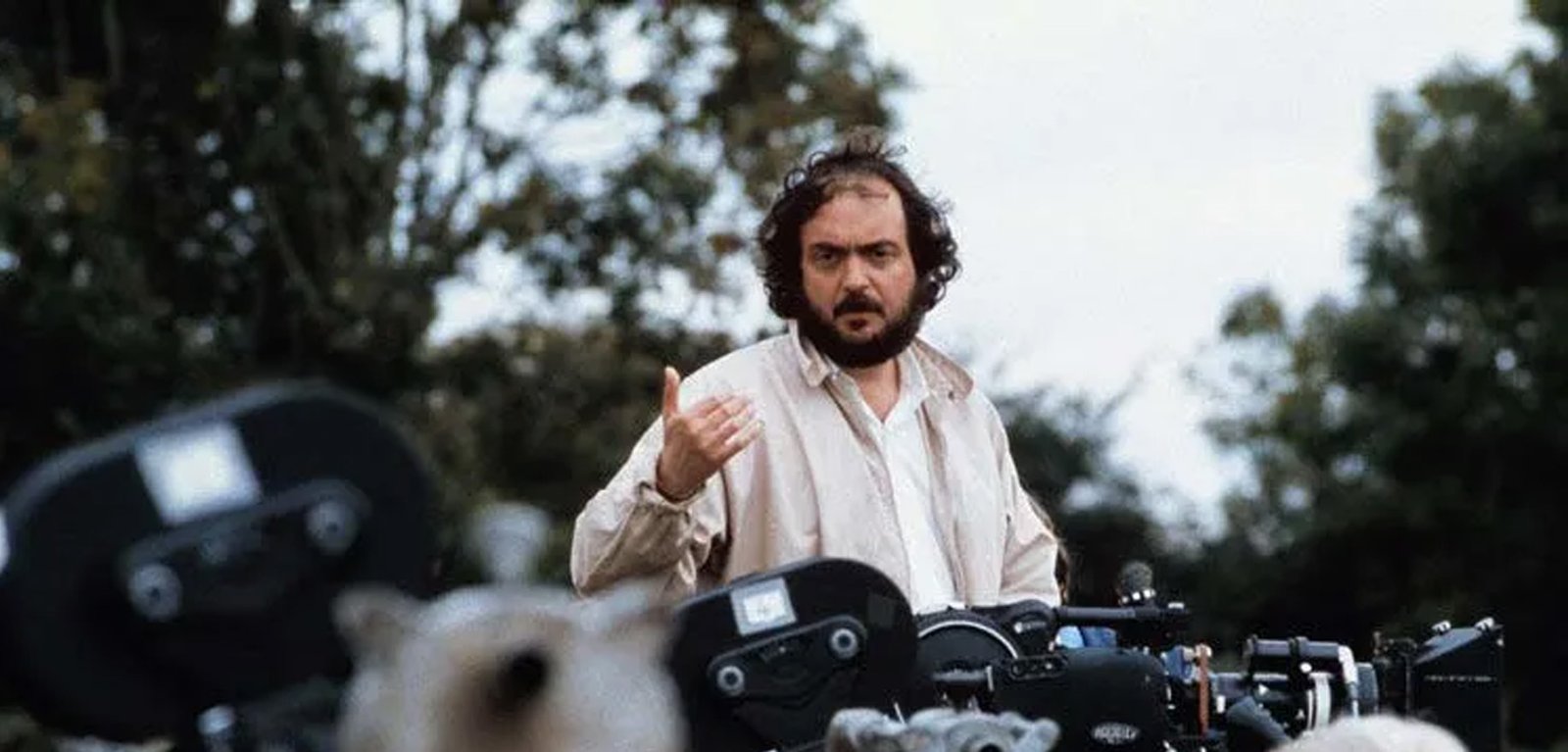
Stanley Kubrick’s Directing Style: The Geometry of Human Fear
Stanley Kubrick didn’t direct films so much as engineer them. His cinema is built like architecture: the viewer is guided through corridors of meaning, locked into rooms of silence, and made to stare at what most movies politely glance past. In Kubrick, style is never decoration. Style is the method of control, and control is the subject.
“Film doesn’t need to be realistic; it needs to be believable. The job is emotional truth, not documentary accuracy.”
The first thing film students notice is the precision. Symmetry, centred frames, and long, unblinking takes create a world where the camera feels less like a witness and more like an intelligence. Kubrick’s famous tracking shots aren’t merely movement. They are pursuing. The lens follows characters the way fate follows them: steadily, without emotion, without mercy. This is why his films feel “cold” to some viewers. That coldness is intentional. It’s the temperature of a system.
Kubrick’s sets and spaces are never neutral. Rooms are moral traps. Hallways become psychological tunnels. In The Shining, the hotel’s geometry turns domestic space into a labyrinth of repetition, as if the building itself is rewriting the family. In 2001: A Space Odyssey, the clean lines of technology feel almost religious, and the human body seems fragile inside its own inventions. Kubrick’s environments do what his characters often can’t: they speak plainly.
“Kubrick resisted ‘explaining’ his films because a movie should be felt and interpreted, not solved like a press release.”
Then there’s the performance style: controlled, sometimes unnervingly restrained, sometimes deliberately theatrical. Kubrick pushes actors toward behaviour that feels slightly “off,” as though humanity is a mask worn imperfectly. The effect is subtle but powerful. We aren’t invited to relax into identification. We’re asked to observe. His characters are not “friends” the viewer bonds with; they are specimens under a light.
Kubrick’s editing and rhythm work like a form of intellectual hypnosis. He stretches time until the viewer becomes hyper-aware of every detail, then cuts with surgical suddenness. His films teach you how to watch them. They demand patience, and they reward it with a strange kind of dread: the feeling that meaning is assembling itself behind your back.
Under all of this is his central metaphor: civilization as a thin, polished surface over a primitive engine. Whether it’s the bone thrown into the air becoming a spacecraft or a well-dressed man collapsing into violence, Kubrick returns to the same idea with different masks. Progress doesn’t remove brutality; it refines it. We don’t escape our nature. We upgrade it.
Kubrick’s genius is that his films don’t simply tell stories. They build systems of image, sound, and space that trap the viewer inside an argument. You don’t just watch Kubrick. You undergo him. And when the film ends, the unsettling part is not the mystery that remains. It’s the clarity you didn’t ask for.
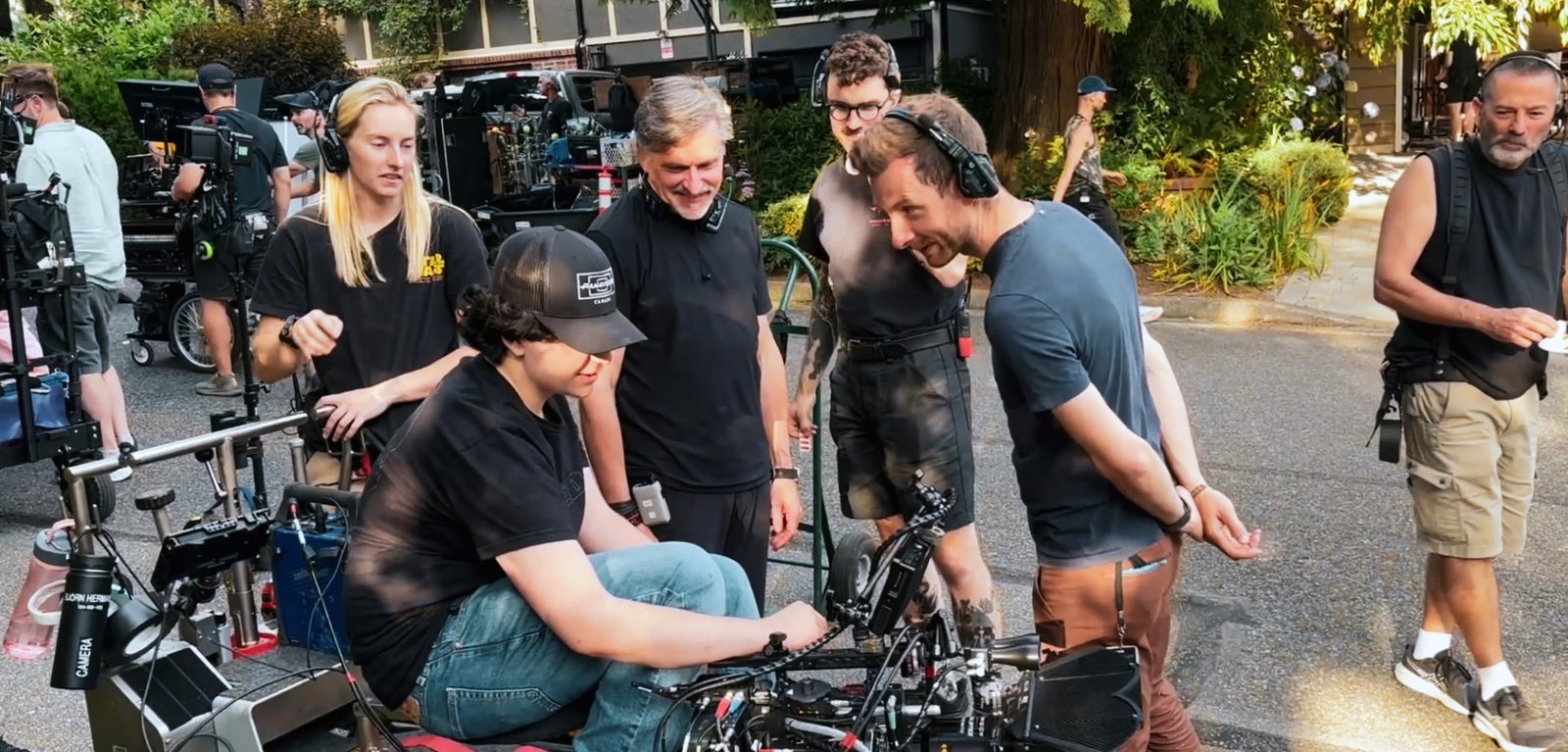
On The Set
From tech scout to final take, it’s all marks, eyelines, and problem-solving. Here’s what the set actually
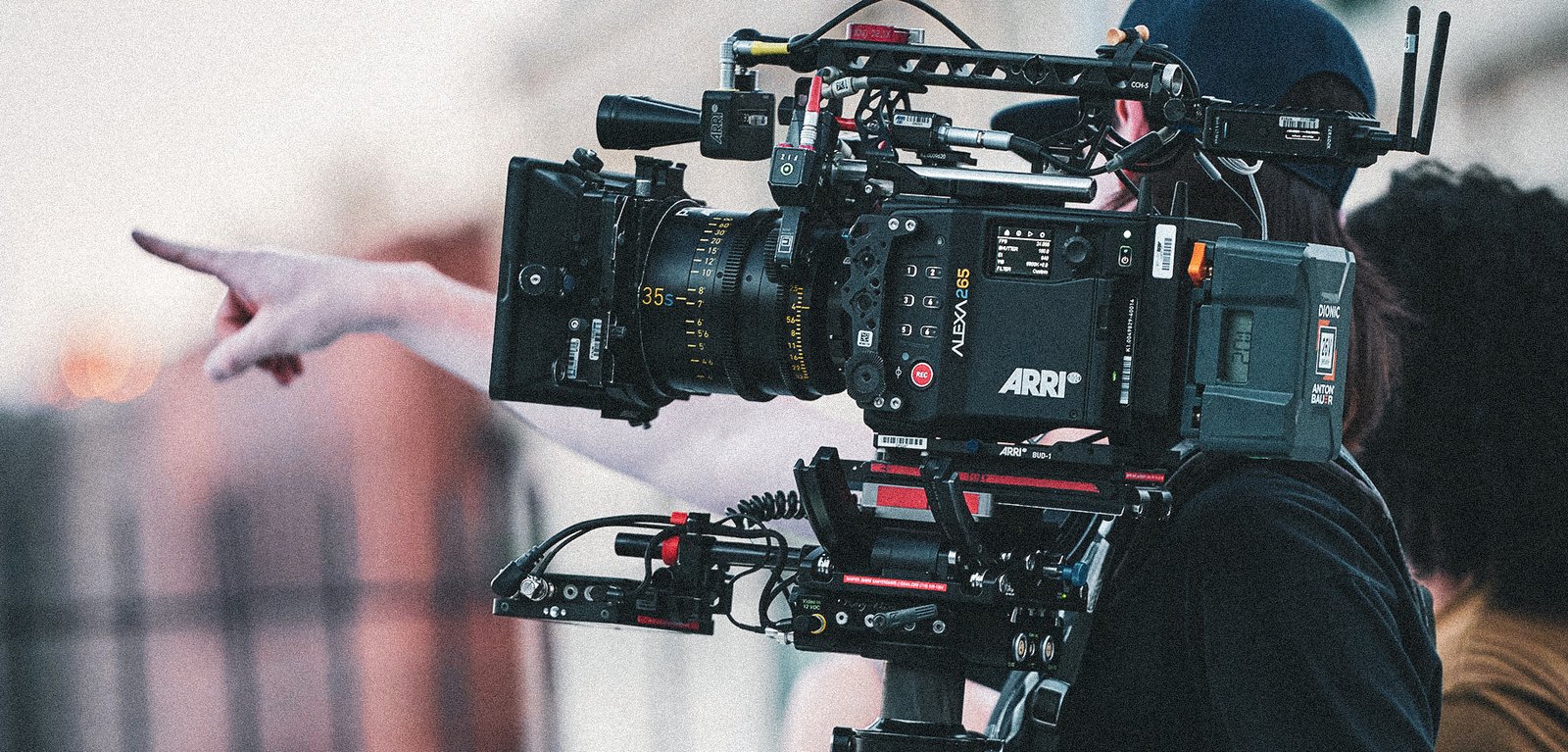
RED MONSTRO 8K VV vs ARRI ALEXA 35
A cinematographer’s comparison of RED MONSTRO 8K VV and ARRI ALEXA 35, focusing on real on-set tradeoffs:
Jesse Cox
Aliquam lorem ante, dapibus in, viverra quis, feugiat a, tellus. Phasellus viverra nulla ut metus varius laoreet. Quisque rutrum. Aenean imperdiet venenatis.
Amber Webb
Maecenas nec odio et ante tincidunt tempus.