

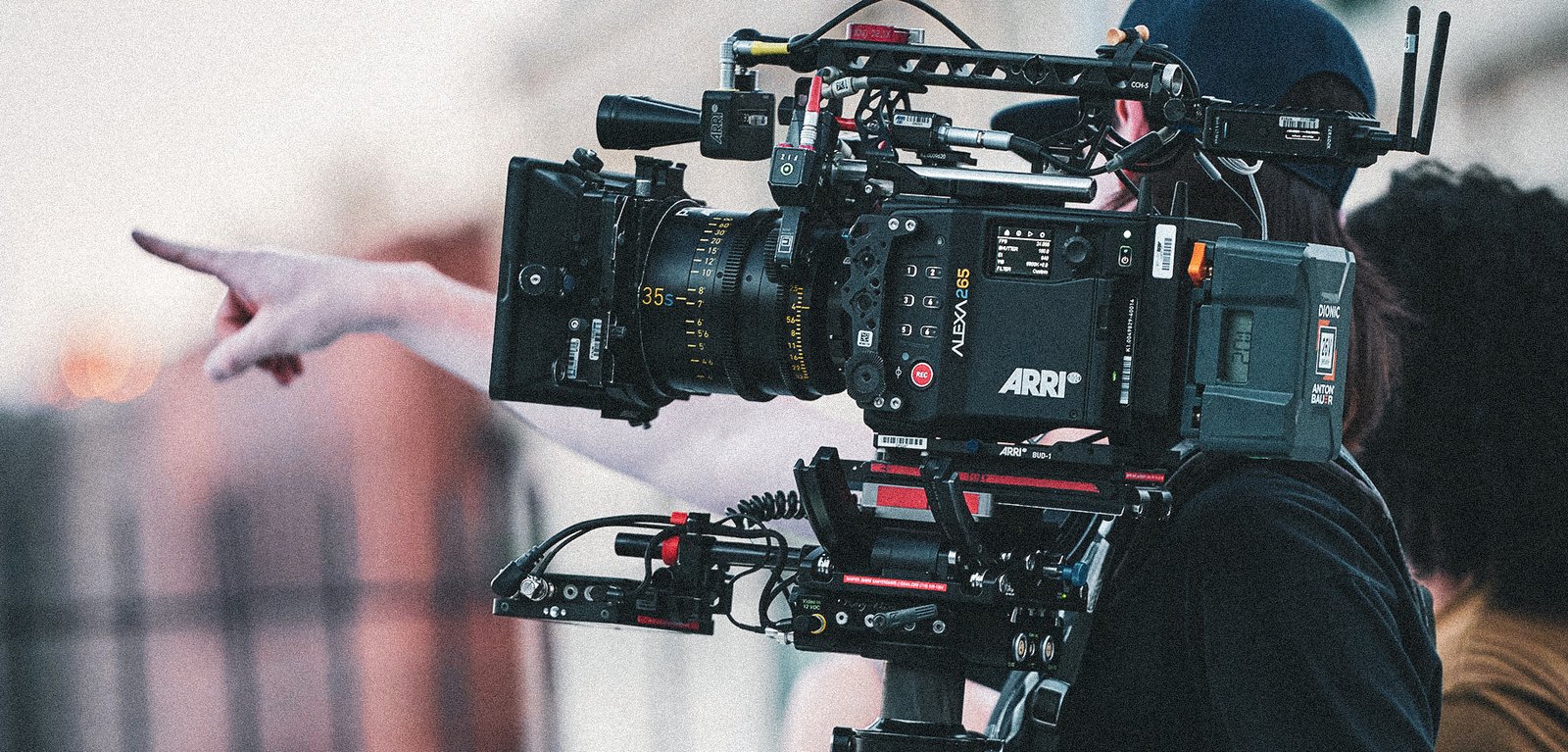
RED MONSTRO 8K VV vs ARRI ALEXA 35
When I’m choosing between MONSTRO 8K VV and ALEXA 35, I’m not arguing about which one is “better.” I’m deciding what problem I’m solving: format + resolution + RAW flexibility (MONSTRO) versus latitude + colour behaviour + consistent day-to-day reliability (ALEXA 35).
“Specs don’t shoot the scene. The sensor’s behaviour in highlights, the way skin rolls off, and how the workflow holds up at 2 a.m. is what makes a camera ‘cinematic.’”
Format is the first decision because it changes everything before you even look at a monitor. MONSTRO captures 8192×4320 on a 40.96×21.60 mm sensor, which gives you the large-format field of view and depth behaviour that many clients now associate with “premium.” Still, it also increases the difficulty of focus and changes how lenses feel for the same framing. ALEXA 35 sits in Super 35 with 4608×3164 photosites on a 27.99×19.22 mm sensor, which keeps lens choices broad and familiar and makes the whole system easier to run fast without constantly fighting focus and lens coverage.
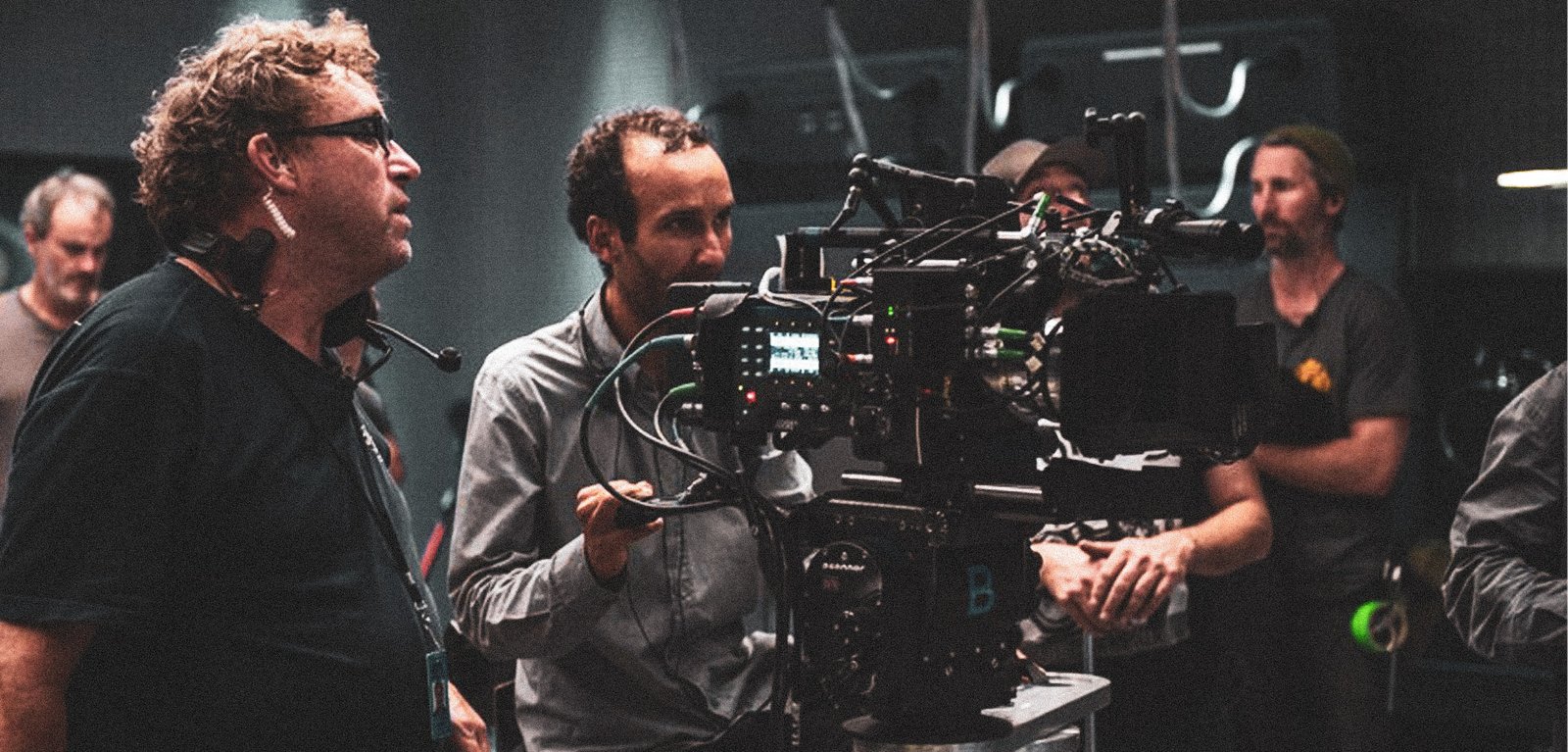


Latitude is where these cameras stop looking like spec sheets and start looking like cinema. MONSTRO is rated at 17+ stops and can deliver a very clean, very detailed negative when you expose it with discipline. ALEXA 35 is rated at 17 stops as well, but the real reason cinematographers trust it is the way it holds highlights and colour separation when life isn’t controlled. ARRI’s REVEAL pipeline with LogC4 and Wide Gamut 4 is designed so the image behaves predictably in post, and the camera doesn’t fall apart in real-world locations. Low light is another point where philosophy shows. ALEXA 35 offers Enhanced Sensitivity, which ARRI describes as in-camera temporal noise reduction. It’s baked into ARRIRAW and ProRes, and it comes with real shooting constraints, such as frame rate and shutter limitations. In other words, it gives you a cleaner image at higher EI, but you have to play by its rules. MONSTRO doesn’t give you that kind of headline “mode.” Its advantage is RAW malleability and the ability to protect a lot of decisions for post, but that only works if you’re serious about exposure and you have the pipeline to handle it.
That’s a very ARRI thing: controlled help, with clear rules.
High speed and motion are practical questions, not brand debates. MONSTRO can do 60 fps at 8K full format and goes higher as you window down, which is helpful if you want the high-resolution plate and motion options in one package. ALEXA 35 can reach higher frame rates depending on mode, and it stays in the ARRI colour and highlight world while doing it, which is often the bigger creative advantage than the number itself.
The quiet budget killer is data and workflow. MONSTRO records REDCODE RAW with compression options from 2:1 to 22:1, which is powerful because you can tune quality and storage to match the job. Still, it also puts responsibility on the production and post team to stay disciplined. RED lists maximum data rates up to 300 MB/s on supported media, and that’s the reality you feel in wrangling time, backup time, and dailies speed. ALEXA 35 tends to win on predictability. Even if the files are not “small,” the ecosystem is built to behave like a professional system under pressure with fewer variables to babysit.
So the choice is usually obvious once you admit what the project needs. I pick MONSTRO when the job demands large-format, real 8K capture, VFX-friendly plates, or aggressive reframing, and the production can handle the data and pipeline. I pick ALEXA 35 when the job is faces, mixed lighting, uncontrolled highlights, fast days, and I want the image to stay calm and filmic without fighting it. Both can look beautiful. The smarter question is: which camera protects both the story and the schedule at the same time?
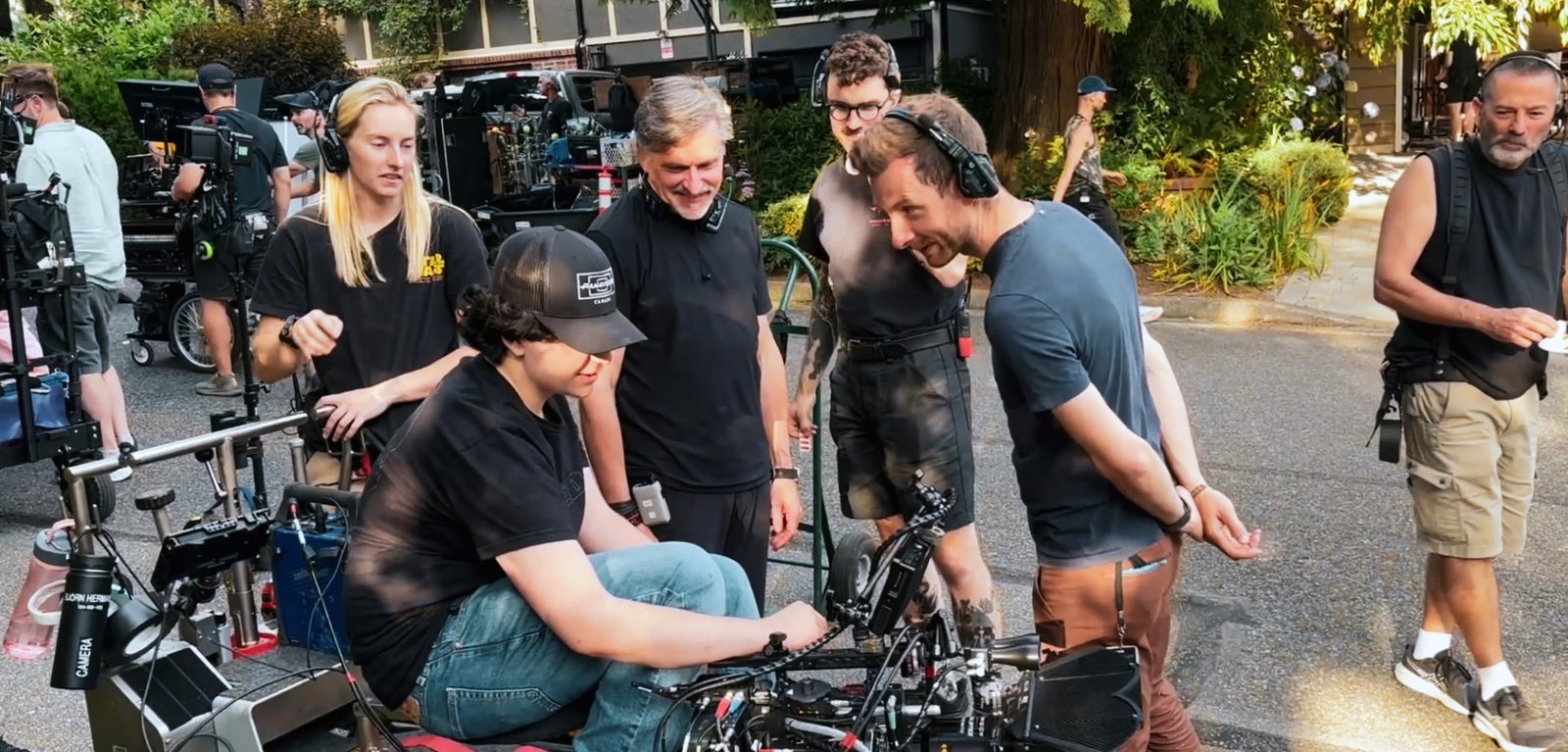
On The Set
From tech scout to final take, it’s all marks, eyelines, and problem-solving. Here’s what the set actually
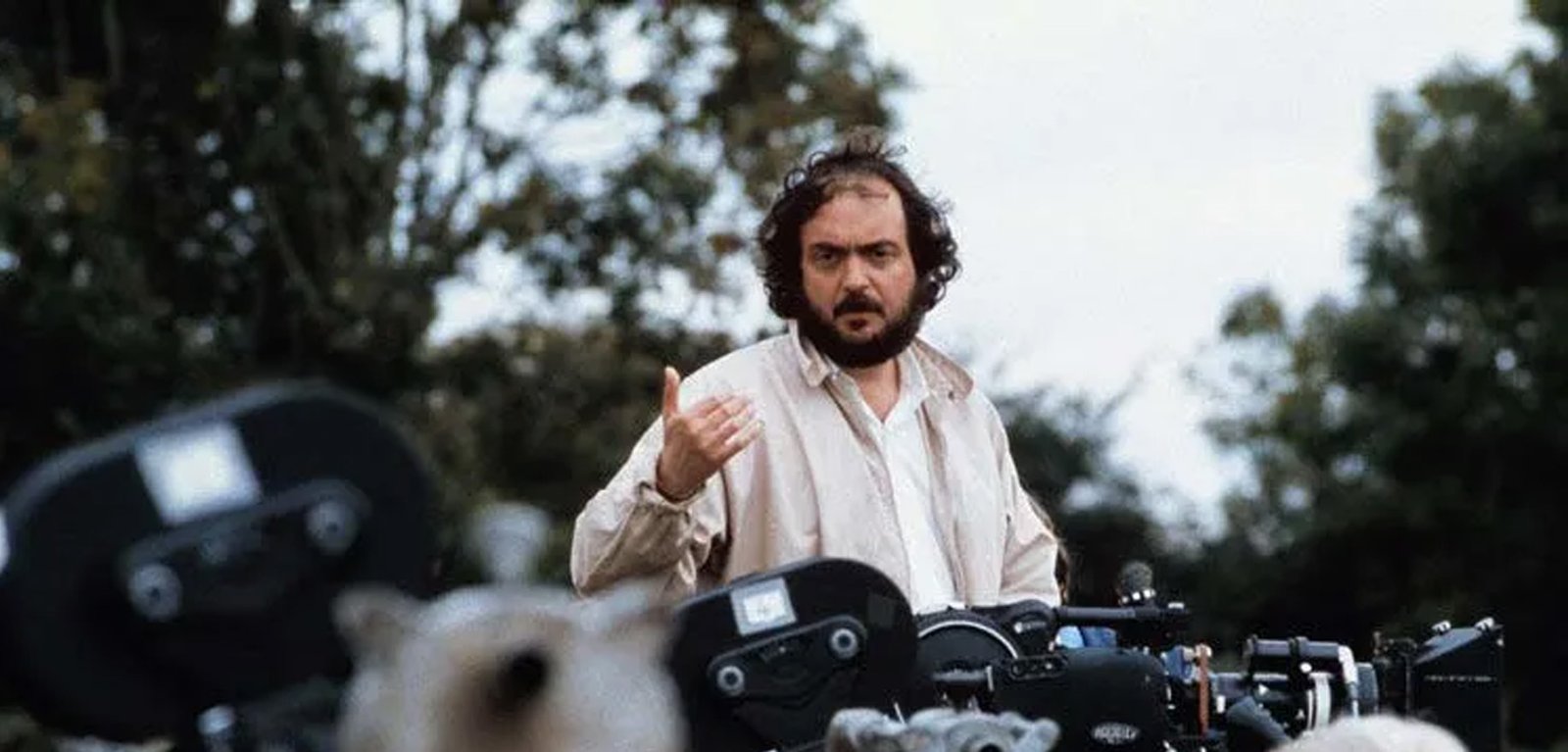
Stanley Kubrick’s Directing Style: The Geometry of Human Fear
A quick look at Kubrick’s controlled, symmetrical style and how he uses camera movement, space, and rhythm
Jesse Cox
Aliquam lorem ante, dapibus in, viverra quis, feugiat a, tellus. Phasellus viverra nulla ut metus varius laoreet. Quisque rutrum. Aenean imperdiet venenatis.
Amber Webb
Maecenas nec odio et ante tincidunt tempus.